Dental fillings help support the treatment and prevention of many common dental diseases, while also improving the aesthetics of the teeth. The process of filling teeth is quite simple, quick and inexpensive like the methods of making porcelain bridges and implants. How much does a composite dental bonding cost? Below is information about the price of dental fillings according to each case and what you need to know when filling teeth.
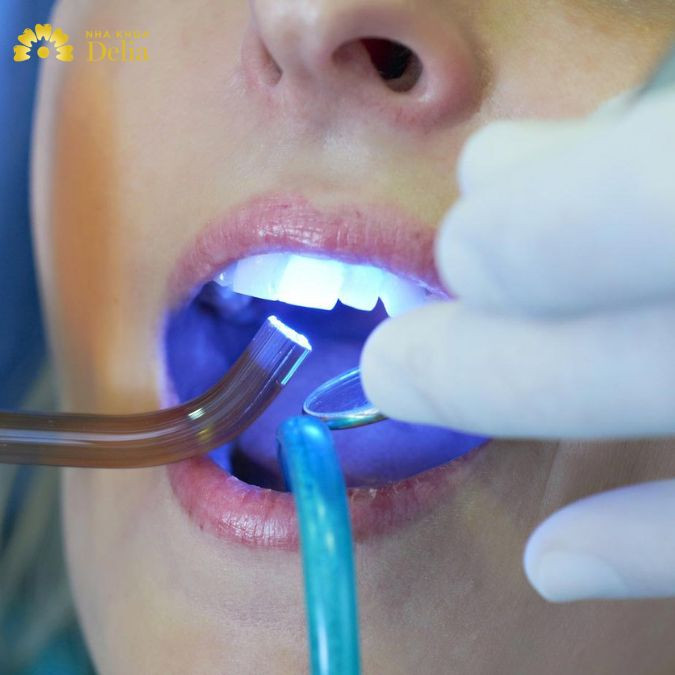
Popular dental filling materials today
Dental fillings are also called dental composite filling. This is a technique that uses artificial materials to fill gaps in tooth tissue. Dental fillings help restore the shape and some functions of teeth. The cost of a tooth filling depends on the filling material and the condition of the tooth.
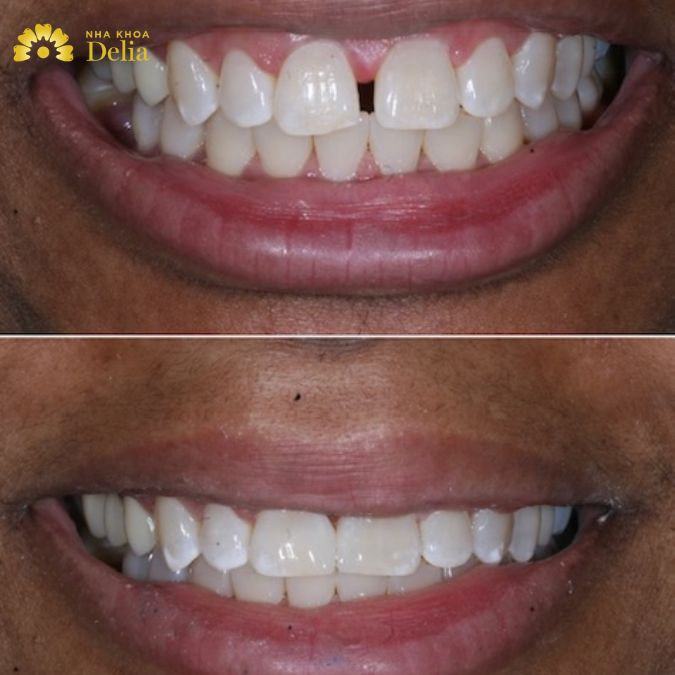
Dental fillings are also called dental fillings
Dental filling technology uses many different types of materials. Depending on each patient, the doctor will prescribe appropriate materials. Popular dental filling materials today are:
- Amalgam: A material made from silver, copper, tin, and mercury alloy. Amalgam is silver in color and is often used to fill inside teeth. Amalgam fillings are durable, cheap, but not highly aesthetic.
- Gold and precious metals: Fillings made of gold or silver, copper have higher hardness than Amalgam. The advantage of this material is that it is durable and can withstand strong chewing forces, but tooth discoloration and filling costs are also higher.
- Composite: Has the same natural color as real teeth so it is highly aesthetic. Composite dental fillings are low cost and adapt well to the oral environment, but the fillings may change color after a period of use.
- Dental fillings Inlay – Onlay: A high-quality ceramic material with high aesthetics, good strength, and rarely discoloration. The limitations of Inlay – Onlay fillings are the high cost and the process takes more time than the above materials.
- Glass Ionomer Cement (GIC): Has the same color as real teeth, ensuring the natural beauty of teeth. GIC is less durable than other materials, so it is mainly used for light cases that are less resistant to strong chewing forces.
How much does a composite dental bonding cost?
You can refer to the price of dental filling service (trám răng bao nhiêu tiền) depending on the type of material as follows:
- Amalgam tooth filling: 100,000 – 300,000 VND/tooth.
- Teeth filling with GIC: 200,000 VND – 300,000 VND/tooth.
- Composite tooth filling: 200,000 VND – 600,000 VND/tooth.
- Porcelain tooth filling Inlay – Onlay: 1,000,000 – 3,000,000 VND/tooth.
- Gold tooth fillings: Cost depends on fluctuations in gold prices.
Depending on the condition of the tooth, the doctor will have different measures when filling the tooth. If teeth are severely decayed or have large cavities, filling techniques will be more difficult. The cost of dental filling services for complicated cases is also higher. You can refer to the price below depending on the condition of the tooth filling:

Depending on the condition of the tooth, the doctor will have different measures when filling the tooth
- Baby tooth filling: 100,000 – 150,000 VND/tooth.
- Tooth filling: 400,000 VND/tooth.
- Worn teeth: 300,000 VND/tooth.
- Tooth decay: 300,000 VND/tooth.
- Tooth with small cavities: 300,000 – 400,000 VND/tooth.
- Teeth with large cavities: 400,000 – 500,000 VND/tooth.
- Tooth filling after root canal treatment: 400,000 VND/tooth.
The price of dental filling services depends on the dental address you choose. Actual prices may be lower or higher than the above reference information. You should go to a dentist to get advice and an accurate quote based on your tooth condition. Note that you should choose a reputable dental facility to ensure quality and safety.
Factors affecting the composite dental bonding cost
The price of dental fillings fluctuates with a fairly wide range depending on the following factors:
Filling materials
On the market today there are many materials used to fill teeth, the price of the materials will go hand in hand with the advantages they bring. This is also the factor that largely determines the cost of dental fillings.
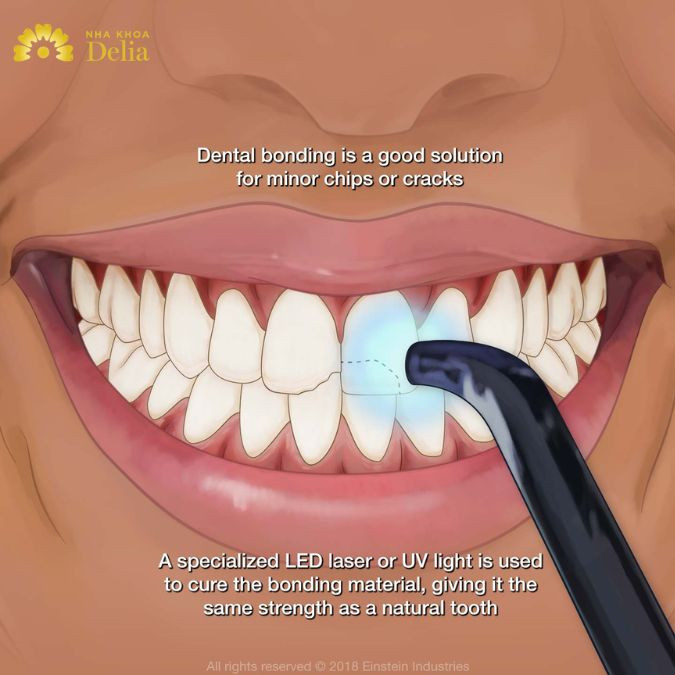
On the market today there are many materials used to fill teeth, the price of the materials will go hand in hand with the advantages they bring.
Number of teeth to be filled
If more teeth need to be filled, it means that more materials must be used to fill the teeth, so the price to pay will be higher.
Tooth condition
In the case of only mild tooth decay, the cost of filling the tooth will certainly be cheaper than filling a tooth with a large cavity. Severely decayed teeth may incur costs for root canal treatment and other dental diseases before filling.
When should teeth be filled?
Dental fillings are a necessary method in the following cases.
Caries
Tooth decay (sâu răng) is a disease caused by bacteria. Bacteria break down sugar into lactic acid. Acid destroys tooth enamel and dissolves tooth minerals, leading to the formation of voids in teeth. Dental fillings will seal the cavity, preventing bacteria from attacking the pulp and root of the tooth.
Worn teeth

Worn teeth
This is a case of tooth enamel erosion caused by many reasons. Worn tooth enamel will stimulate sensitivity and pain when eating or drinking hot or cold foods. Dental fillings help fill in worn spots, protect dentin and overcome tooth irritation.
The tooth is slightly injured
These are cases where teeth are chipped or broken when biting on something too hard or having an accident. Filling technology helps restore the aesthetics of teeth, protect teeth and prevent more serious chipping.
Slightly spaced teeth
Dental fillings to fill gaps between slightly spaced teeth (răng thưa). The goal is to keep the teeth close together, ensure aesthetics and overcome the problem of food being stuck. The cost of filling gaps in teeth is cheaper than porcelain crowns or braces.
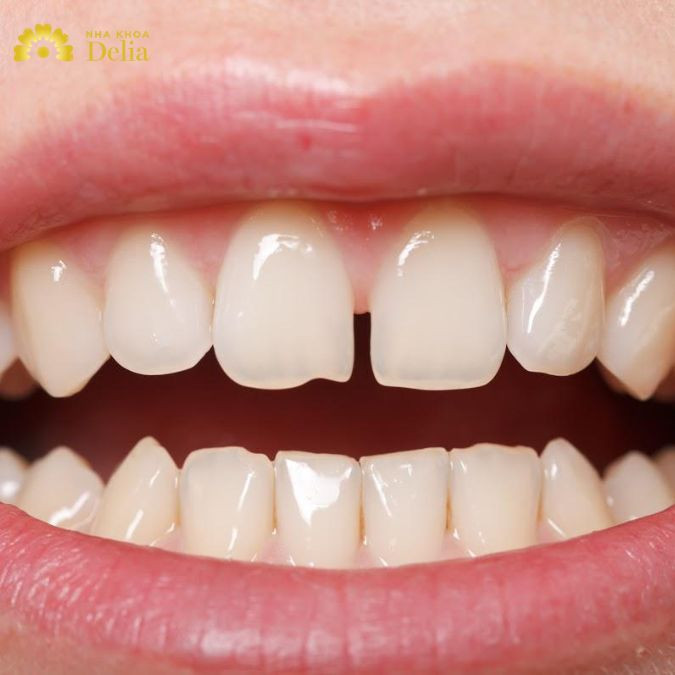
Slightly spaced teeth
In cases where teeth are severely decayed or broken or broken too much, they cannot be fixed with dental filling technology. You should consider more advanced methods such as making porcelain bridges or implants.
How long does a dental filling last before it needs to be re-done?
Dental fillings can only be maintained for a certain period of time and cannot be used forever. The durability of dental fillings depends on the filling material, filling technique and how to care for the tooth after filling. Normally, composite dental fillings can last up to 5 years. Amalgam tooth fillings last about 10 years. Dental filling technology made of gold or precious metals can last for over 15 years.
After a period of filling, you should monitor the condition of the tooth to re-do it when necessary. One of the signs that a filling is worn is that it turns gray, brown or black. Damaged fillings also cause pain, tooth grinding, and sensitivity when eating sour, sweet, hot, or cold foods.
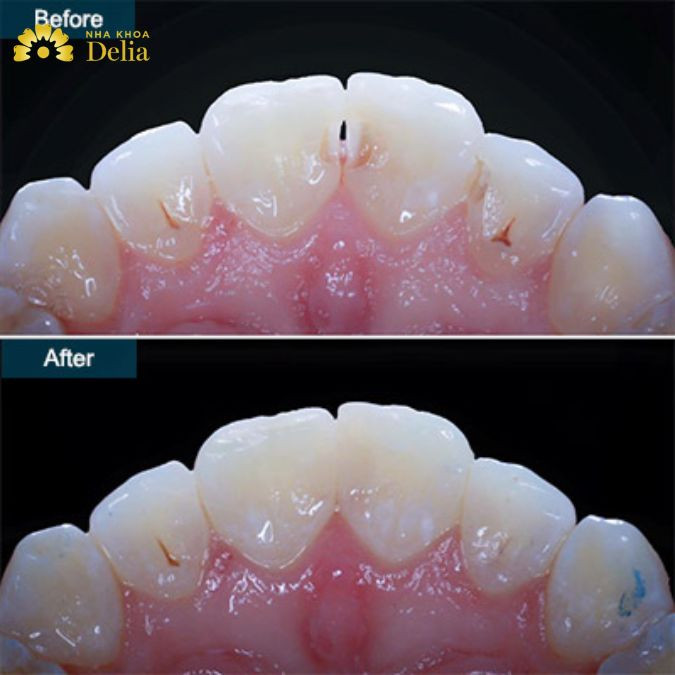
Dental fillings can only be maintained for a certain period of time and cannot be used forever
In addition, you can observe to detect whether the filling is broken or peeling off. In this situation, it is necessary to replace the filling with a new one soon to avoid bacteria penetrating deep inside. While chewing, if you feel a lump in the tooth filling, it is likely that the filling is damaged and needs to be replaced. You should see a dentist soon when you see the above signs in the filling.
To maintain the durability of the filling, be sure to clean your teeth daily with a soft-bristled toothbrush. When brushing your teeth, place the brush at a 45-degree angle and move gently, avoiding using strong force to damage the filling. You should not bite or chew hard or solid objects with dental fillings. People with dental fillings should limit eating sweets, stimulants, and acidic foods to avoid abrasion of the filling.
This article has helped you refer to the cost of dental fillings depending on each case. Dental fillings are a simple and popular method at dental clinics. You can rest assured choosing dental filling technology when you need to fix cavities, chipped teeth or slightly spaced teeth!