Among the various options available, PFM crowns or Porcelain Fused to Metal crowns, stand out as a popular choice for many patients and dentists alike. This article delves into the details of PFM crowns, exploring their construction, benefits, and the scenarios in which they are most effectively utilized.
What are PFM crowns?
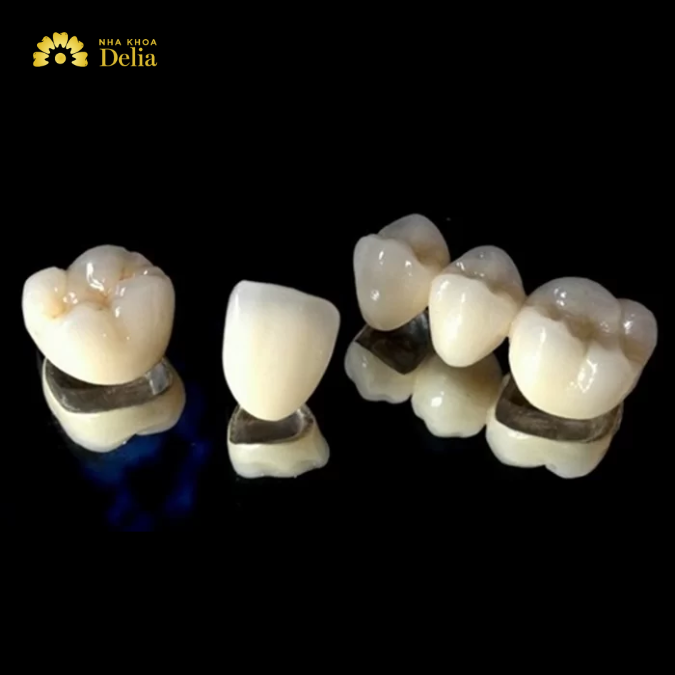
Porcelain Fused to Metal (PFM) crowns are a type of dental crown that consists of a metal core over which porcelain is fused at high temperatures. This combination offers both strength and a natural-looking appearance, making PFM crowns a popular choice for restoring damaged teeth. The metal core provides robust structural support while the porcelain exterior matches the color and texture of adjacent natural teeth.
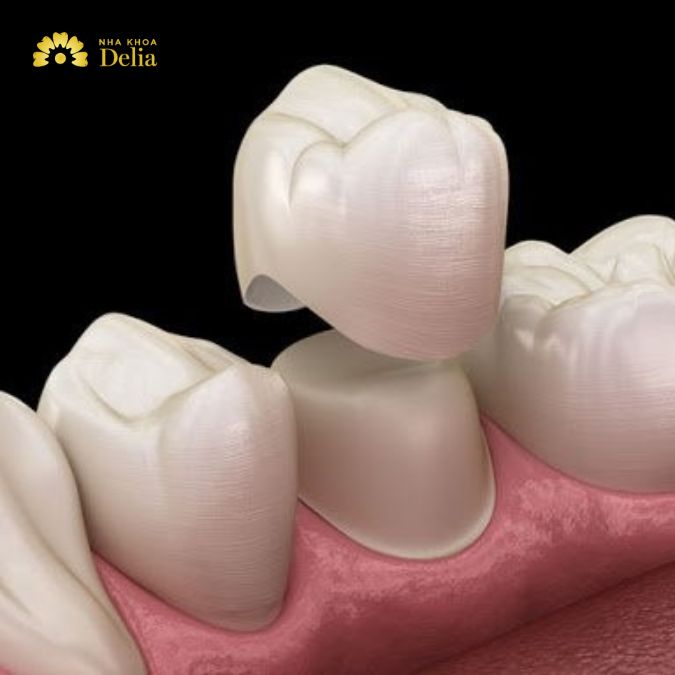
Porcelain Fused to Metal (PFM) crowns are a type of dental crown that consists of a metal core over
The process of making a PFM crown begins with the creation of a precise metal alloy shell that fits perfectly over the prepared tooth. Dental porcelain is then fused onto this shell in a high-heat oven, which causes it to bond securely to the metal. This fusion process ensures that the crown possesses the necessary durability for chewing and biting, as well as a pleasing aesthetic appearance.
PFM crowns differ from all-porcelain or all-ceramic crowns primarily in their structure. While all-porcelain crowns are made entirely of ceramic material, making them highly aesthetic but less durable under strong forces, PFM crowns feature a metal core that significantly enhances their strength.
Compared to all-metal crowns, which offer the highest durability, PFM crowns provide a better aesthetic, as the porcelain can be color-matched to the surrounding teeth. This makes PFM crowns a balanced option for those seeking both durability and a natural look.
Advantages of PFM crowns
PFM crowns are a popular choice for dental restoration due to their unique combination of strength and aesthetics. The fusion of metal and porcelain provides durability for the crown while maintaining a natural appearance that blends seamlessly with surrounding teeth.
Durability and strength
One of the most significant advantages of Porcelain Fused to Metal (PFM) crowns is their exceptional durability and strength, which stem from their metal structure. The underlying metal framework provides a robust base, significantly enhancing the crown’s ability to withstand the intense pressures of chewing and biting. This makes PFM crowns an ideal choice for restoring molars, which endure the bulk of the force during eating.
Aesthetic benefits
Despite having a metal core, PFM crowns are highly regarded for their aesthetic appeal due to the porcelain overlay that mimics the look of natural teeth. The porcelain can be matched to the color of the adjacent natural teeth, making the crowns blend seamlessly into the dental arch. The material’s ability to reflect light similarly to dental enamel contributes to a natural, appealing smile, which is crucial, especially for front teeth restorations.

Advantages of PFM crowns
Suitability for various dental restoration needs
PFM crowns are versatile and can be used in a variety of dental restoration scenarios. Whether a patient needs a single crown to repair a fractured tooth or multiple crowns to complete a full smile restoration, PFM crowns can be tailored to meet diverse clinical situations. They are appropriate for both anterior and posterior placements, providing a solution that balances aesthetic desires with functional needs.
Disadvantages of PFM crowns
While PFM crowns offer several benefits, there are also some disadvantages that need to be considered when choosing this type of dental restoration.
Porcelain chipping or breaking
One of the primary concerns with PFM crowns is the potential for the porcelain part to chip or break away from the metal base. This can occur due to strong biting forces or an impact. When the porcelain chips, not only does it compromise the aesthetic and protective qualities of the crown, but it may also expose the underlying metal, leading to further dental issues or a need for crown replacement.
Aesthetic issues
Although PFM crowns can be crafted to closely match natural teeth, there can be aesthetic drawbacks, particularly at the gum line. Over time, as gums recede, the metal base of the crown may become visible, creating a gray line at the base of the crown. This can be particularly noticeable when the crowns are on the front teeth and can detract from a natural-looking smile.
Biocompatibility issues
Another significant disadvantage pertains to the metal component of PFM crowns, which can cause allergic reactions in some patients. Those with sensitivities or allergies to certain metals might experience gum irritation, inflammation, or allergic responses. It’s crucial for patients to undergo allergy testing for dental materials prior to the placement of a PFM crown to avoid potential adverse reactions.
Should you use PFM crowns?
PFM crowns are a reliable and durable option for dental restoration, offering a strong metal base with an aesthetically pleasing porcelain overlay. They are particularly suitable for back teeth due to their excellent strength and ability to withstand heavy chewing forces. If you are looking for a solution that balances both functionality and aesthetics, PFM crowns are a solid choice.

Should you use PFM crowns?
However, if you are concerned about the potential visibility of the metal at the gum line or if you have metal allergies, you may want to explore other options, such as all-porcelain crowns. Consulting with your dentist will help you make the best decision based on your specific needs and preferences.
Conclude
Understanding the unique benefits and limitations of PFM crowns is crucial for anyone considering dental restorations. As we have explored, PFM crowns offer a blend of durability and aesthetic appeal that is suitable for various dental needs. If you are deciding on the best dental restoration solution, discussing PFM crowns with your dental professional can help you make an informed choice that aligns with your dental health goals.