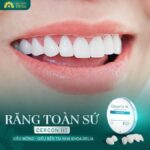
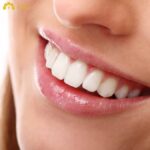
Are Porcelain Crowns Strong? Porcelain crowns have revolutionized dentistry, offering a durable and aesthetically pleasing solution for restoring damaged teeth. Composed of high-quality ceramic material, these crowns are designed to withstand the pressures of daily life, including chewing and biting. While they may not possess the exact same strength as natural teeth, porcelain crowns are engineered to provide exceptional durability and longevity.

Porcelain Crowns: A Safe and Natural-Looking Option
Beyond their strength, porcelain crowns offer several advantages. Their biocompatibility makes them highly tolerant to the body, reducing the risk of allergic reactions. Additionally, porcelain’s natural appearance closely mimics the color and translucency of real teeth, resulting in a seamless blend with surrounding dentition. This aesthetic appeal can significantly boost patient confidence and improve overall oral health.
See more:
Strength of porcelain crowns
Porcelain crowns are highly prized for their durability and aesthetic appeal, attributes that are significantly influenced by the physical properties of dental porcelain. This material is a type of ceramic composed primarily of kaolin, silica, and feldspar, which undergoes a process of high-temperature firing to achieve its final strength and hardness.
This process vitrifies the porcelain, making it exceptionally tough and dense, which is ideal for withstanding the everyday mechanical stresses that occur from biting and chewing.

Strength of porcelain crowns
The strength of porcelain is also enhanced by its crystalline structure, which can be adjusted during manufacturing to increase its crack resistance. Furthermore, modern porcelain crowns often incorporate layers of differing porcelain densities and compositions, optimizing them for both strength and aesthetic translucency.
- Composite Crowns
Composite crowns are generally less durable than porcelain crowns. Made from a mixture of acrylic resin and glass-like particles, composite crowns are more prone to wear and tear and typically do not last as long as porcelain.
While they can be aesthetically pleasing and color-matched to adjacent teeth, the finish and shine may not be as convincing or enduring as that of porcelain.
- Zirconia Crowns
Zirconia crowns are among the strongest dental materials available today, often surpassing porcelain in terms of fracture resistance and tolerance to biting forces. Made from zirconium dioxide, these crowns are highly recommended for back teeth where the chewing pressure is greatest.
Although zirconia also offers excellent aesthetic qualities, it may lack the natural translucency of porcelain, making porcelain crowns more suitable for front teeth restorations where a natural appearance is critical.
Durability and longevity of porcelain crowns
The durability and longevity of porcelain crowns are influenced by several key factors that ensure they function effectively for many years. These factors include:
- Quality of materials and fabrication
High-quality porcelain and precise manufacturing are critical for creating crowns that are not only aesthetically pleasing but also durable. The better the quality of the porcelain and the more accurate the fabrication process, the more likely the crown will withstand the rigors of daily use.
- Proper fit and installation
A crown that fits well will distribute biting forces evenly across the tooth, reducing the risk of fracture or dislodgement. Accurate fitting by a skilled dentist minimizes the gap between the crown and the natural tooth, which helps prevent decay and crown failure.

Durability and longevity of porcelain crowns
- Oral hygiene practices
Good oral hygiene is essential to maintain the integrity of porcelain crowns. Regular brushing and flossing help prevent gum disease and decay of the natural tooth beneath the crown, which can affect the crown’s stability.
- Dental habits
Habits such as teeth grinding (bruxism), chewing on hard objects, or using teeth to open packages can significantly shorten the life of a porcelain crown. Using a night guard can help protect crowns from damage due to grinding.
- Regular dental check-ups
Routine visits to the dentist allow for early detection and repair of issues that might compromise the crown, such as receding gums or underlying decay.
Choose Delia Dental for Your Porcelain Crown Needs
At Delia Dental, we are committed to providing exceptional dental care, including porcelain crown restorations. Our experienced dentists utilize advanced techniques and high-quality materials to deliver long-lasting, natural-looking results. We offer flexible payment plans to make quality dental care accessible to all.