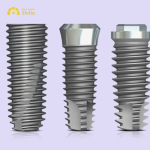
If you’re considering a permanent solution to tooth loss that balances both effectiveness and affordability, “all on 2 dental implants” may offer the promising answer you need. This innovative approach utilizes just two implants to secure a full arch of teeth, providing a streamlined alternative to more extensive procedures.
What are All on 2 dental Implants?
All on 2 dental implants are a form of dental restoration designed for patients looking to replace an entire arch of teeth with a minimal number of implants. Unlike the more common All on 4 or All on 6 systems, the All on 2 technique utilizes just two implants that are strategically placed in the jaw to support a full set of dentures or a fixed dental bridge.
This method is particularly beneficial for patients who may not have sufficient bone density for more implants or those seeking a cost-effective solution with a shorter treatment duration.
The two implants used in the All on 2 procedure are typically placed in the front part of the jaw where the bone is denser and can provide better support for the implants. This positioning is crucial as it leverages areas of the jaw that usually retain more bone mass over time, which is essential for the long-term stability of the implants.

What are All on 2 dental Implants?
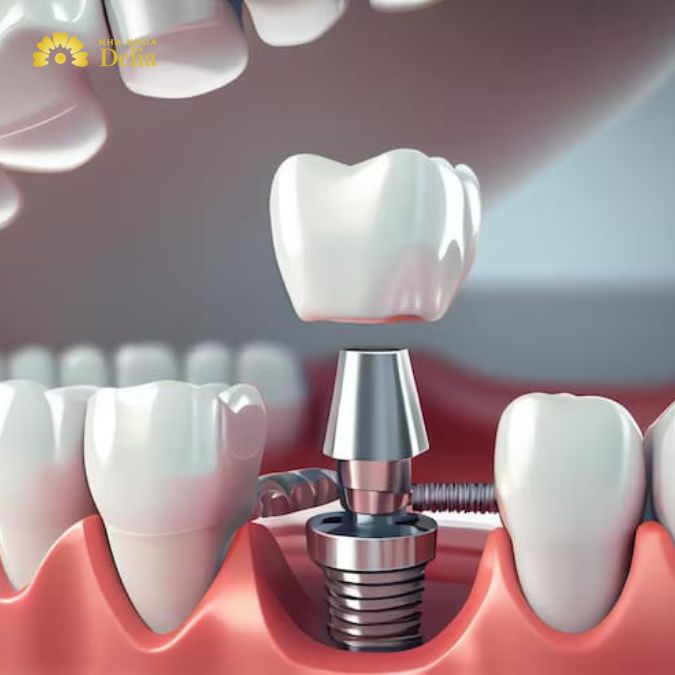
The implants themselves are made of titanium, a biocompatible material that effectively integrates with the bone tissue through a process known as osseointegration. This integration helps to stabilize the implant and provides a solid foundation for the attached prosthetic.
Once the implants have been placed and have integrated with the jawbone, a customized dental prosthetic is attached. This prosthetic can either be a removable denture or a fixed bridge, designed to mimic the appearance and function of natural teeth.
Strategic placement of the two implants helps in distributing the biting forces evenly, which reduces the stress on individual implants and promotes longevity. Furthermore, by minimizing the number of implants, the procedure reduces surgical complexity, recovery time, and overall costs.
Considerations for Patients: Before opting for All on 2 dental implants, patients must undergo a thorough dental evaluation to determine if they are good candidates for this type of restoration. Factors such as overall oral health, bone density, and specific aesthetic or functional needs are considered during this assessment.
In summary, All on 2 dental implants provide a streamlined, efficient solution for full arch restoration, making it an attractive option for many patients seeking substantial dental improvements without the need for extensive surgery.
Benefits of All on 2 dental Implants
Implant All on 2 has many outstanding benefits for patients such as:
Cost-effectiveness compared to traditional methods
One of the most appealing aspects of All on 2 dental implants is their cost-effectiveness. Traditional dental implant methods often require more implants and, consequently, more surgical time and materials, which increases the overall cost.
By utilizing only two implants to support a full arch, the All on 2 approach significantly reduces these costs, making it a more accessible option for patients looking to restore their smile without breaking the bank.
Reduced complexity and shorter treatment times
The All on 2 dental implant procedure simplifies the restoration process. With only two implants needed, the surgical complexity and the associated risks are minimized. This streamlined approach not only makes the procedure quicker but also reduces the recovery time.

Benefits of All on 2 dental Implants
Patients can expect a faster return to their daily routines, experiencing less disruption and discomfort during the healing process.
Long-term durability and improved oral health benefits
All on 2 dental implants are designed to last. Made from durable materials like titanium, these implants integrate with the jawbone, providing a stable foundation for the prosthetic teeth.
This integration helps to preserve the jawbone structure and prevent the bone loss that often occurs with tooth loss. Moreover, the fixed prosthesis supported by the implants stimulates the bone, maintaining its density and improving overall oral health.
Additionally, patients enjoy a permanent solution that improves not only the function but also the aesthetics of their smile, contributing to enhanced self-confidence and quality of life.
Who is an ideal candidate for All on 2 dental Implants?
All on 2 dental implants are not suitable for everyone. The ideal candidates are typically those who:
- Have lost most or all of their teeth in one or both jaws.
- Possess adequate bone density and quality in the jaw to support the implants. Although All on 2 requires less bone than traditional methods, sufficient bone quality and quantity are crucial for successful implantation.
- Are in good general health. Conditions that affect healing, such as diabetes or osteoporosis, may impact the suitability of a patient for implants.
- Do not smoke or are willing to quit. Smoking can hinder the healing process and negatively affect the long-term success of dental implants.
- Seek a long-term and durable solution for tooth loss but prefer a less invasive option than traditional full-arch implants.
All on 2 dental implants are not suitable for everyone
Before proceeding with All on 2 dental implants, a thorough dental assessment is essential. This evaluation should include:
- Detailed dental and medical history review.
- X-rays, CT scans, or other imaging techniques to assess bone structure and density.
- Examination of the oral cavity to check for signs of periodontal disease or other issues that could complicate the implant process.
- Discussion of expectations and aesthetic goals with the dental professional.
This comprehensive assessment helps ensure that the patient is a good candidate for All on 2 implants and that the planned treatment is tailored to meet their specific needs and conditions. Such evaluations also help in preparing the patient for what to expect during the procedure and the recovery process.
See more:
Procedure overview All on 2 dental implants
The process of performing the All on 2 implant technique basically includes the following steps:
Initial consultation and planning
The first step involves a thorough examination and planning phase where the dentist evaluates the patient’s oral health and uses imaging technologies to plan the implant placement.
This may include X-rays or CT scans to assess bone quality and determine the optimal placement for the two implants.
Pre-surgical preparations
Prior to surgery, patients may be advised to follow specific instructions to prepare for the procedure. This could include guidelines on eating, drinking, and possibly taking certain medications to reduce the risk of infection.
Implant placement surgery
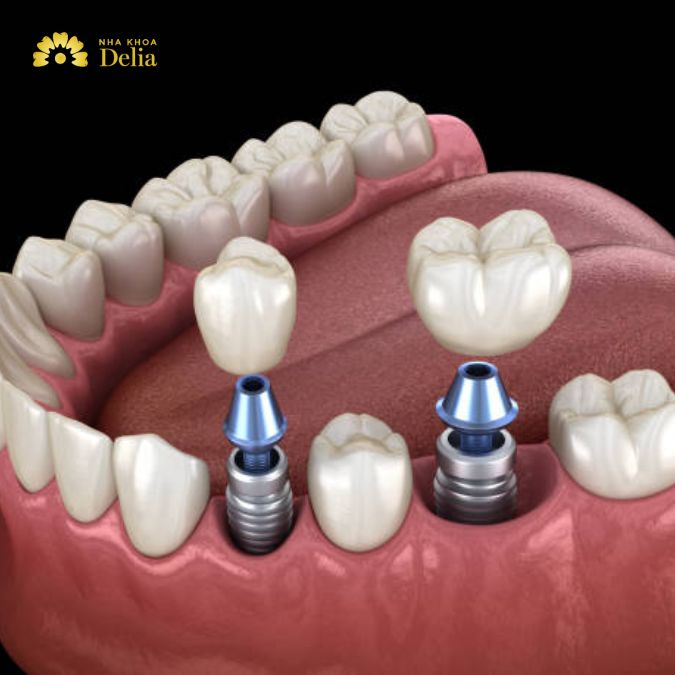
On the day of surgery, the patient is typically given local anesthesia to numb the area. The dentist will then place the two implants in the jawbone, focusing on areas with sufficient bone density and strategic importance for supporting the prosthetic.
Implant placement surgery
Healing and osseointegration
After the implants are placed, a period of healing begins, during which the bone grows around the implants in a process known as osseointegration. This phase is crucial as it ensures the implants are securely anchored in the jawbone.
The duration of this phase can vary, but it generally lasts a few months.
Attachment of prosthetics
Once osseointegration is complete, the final prosthetic (such as crowns, bridges, or dentures) can be attached to the implants. This step is often performed in a separate appointment after confirming the stability of the implants.
Post-surgical care and follow-up
After the prosthetics are placed, the patient will receive instructions on how to care for their new implants and the surrounding oral tissues. Follow-up appointments are crucial to monitor the implants and ensure that the patient is adjusting well to the new teeth.
Conclusion
In conclusion, “all on 2 dental implants” represent a significant advancement in dental restoration technology. By requiring fewer implants, this method reduces both treatment complexity and recovery time, making it an ideal choice for many patients looking to enhance their dental health without extensive procedures.