A dental bridge is a common restorative treatment used to fill the gap left by missing teeth. While permanent bridges offer a long-term solution, temporary dental bridges play an essential role during the transition phase of treatment. In this article, we’ll explore what temporary dental bridges are, their benefits, types, and how they are applied. To know if temporary dental bridges have any effects, go to Delia Dental Clinic and read the article with the doctor experts to answer for you!

What is a temporary dental bridge?
A temporary dental bridge is a short-term solution designed to fill in the gap left by missing teeth before a permanent dental bridge is placed. It helps restore the appearance and function of your teeth while protecting your gums and the surrounding teeth from further damage. Temporary bridges are often used when a patient is waiting for a more permanent solution, such as a porcelain or metal bridge.

Why do you need a temporary dental bridge?
Temporary dental bridges serve several important purposes during the process of getting a permanent dental bridge. Here’s a breakdown of their key functions:
- Protecting Prepared Teeth: When a dentist prepares the abutment teeth (the teeth that will support the bridge), they become more vulnerable. Temporary bridges shield these teeth from sensitivity, damage, and irritation.
- Maintaining Alignment: Missing teeth can cause adjacent teeth to shift, leading to misalignment. Temporary bridges help maintain the proper spacing and alignment of your teeth, ensuring the permanent bridge fits correctly.
- Preserving Gum Health: They help to shape and protect the gum tissue around the prepared teeth, promoting healthy healing and a natural-looking appearance.
- Restoring Function: Temporary bridges allow you to chew and speak more comfortably while you wait for your permanent bridge.
- Aesthetic Purposes:They fill the gap left by the missing tooth, maintaining your smile’s appearance.
- Providing a Trial Period: They give the patient time to adjust to the feel of having a bridge, which can help in the transition to the permanent bridge.

Types of temporary dental bridges
When discussing “types” of temporary dental bridges, it’s important to distinguish between the materials used and the general bridge designs. Here’s a breakdown:
Materials
Acrylic Resin: This is a very common material for temporary bridges. It’s relatively inexpensive and easy to work with, allowing for quick fabrication and adjustments.
Composite Resin: This material is also used and can offer better aesthetics, as it can be more closely matched to the color of natural teeth.
Bridge Designs (these designs apply to both temporary and permanent bridges):
Traditional Temporary Bridges: This is the most common type. It involves creating a pontic (the artificial tooth) that’s held in place by crowns cemented onto the abutment teeth (the teeth on either side of the gap).
Cantilever Temporary Bridges: This type is used when there’s only one abutment tooth available. The pontic is supported by a crown on that single abutment.
Maryland Temporary Bridges: Also known as resin-bonded bridges, these use a metal or porcelain framework that’s bonded to the back of the adjacent teeth. This is a more conservative option, as it requires less alteration of the abutment teeth.

Key Considerations
Temporary bridges are, by nature, less durable than permanent bridges. The choice of material and design will depend on factors like the location of the missing tooth, the condition of the surrounding teeth, and aesthetic considerations.
The procedure for getting a temporary dental bridge
The process of getting a temporary dental bridge typically involves several steps:
- Initial Consultation: Your dentist will examine the area where the tooth is missing and take X-rays to ensure the surrounding teeth and gums are healthy enough to support the bridge.
- Tooth Preparation: The adjacent teeth may need to be reshaped or slightly filed to allow the temporary bridge to fit properly. This process is done under local anesthesia to minimize discomfort.
- Impressions: After your teeth are prepared, your dentist will take impressions of the area to create a mold for the bridge.
- Fitting the Temporary Bridge: While your permanent bridge is being created, a temporary bridge is placed over the prepared teeth. This temporary solution helps you maintain normal function during the waiting period.
- Final Placement: Once your permanent bridge is ready, your dentist will remove the temporary bridge and fit the permanent one. The procedure is similar to the initial fitting but with the final restoration.

Benefits of temporary dental bridges
Temporary dental bridges offer several important benefits during the process of getting a permanent dental bridge. Here’s a breakdown of the key advantages:
- Protection of Prepared Teeth: When teeth are prepared for a bridge, they become more vulnerable. Temporary bridges shield these teeth from sensitivity, temperature changes, and potential damage.
- Maintenance of Tooth Alignment: Missing teeth can cause adjacent teeth to shift, leading to misalignment. Temporary bridges help maintain the proper spacing and alignment, ensuring the permanent bridge fits correctly.
- Preservation of Gum Tissue: They help shape and protect the gum tissue around the prepared teeth, promoting healthy healing and a natural-looking appearance.
- Restoration of Oral Function: Temporary bridges allow you to chew and speak more comfortably while waiting for the permanent bridge. This helps maintain your quality of life.
- Aesthetic Improvement: They fill the gap left by the missing tooth, maintaining your smile’s appearance and boosting your confidence.
- Prevention of Further Dental Problems: By filling the space of the missing tooth, temporary bridges help to prevent other teeth from shifting, which could cause a variety of other dental problems.

Care for your temporary bridge
Caring for a temporary dental bridge is crucial to ensure the health of your gums and teeth while you wait for your permanent restoration. Here’s a breakdown of essential care tips:
Dietary Precautions
- Avoid Sticky Foods: Sticky candies, chewing gum, and other sticky substances can easily dislodge your temporary bridge.
- Avoid Hard Foods: Hard foods like nuts, hard candies, and ice can damage or break your temporary bridge.
- Chew Carefully: Try to chew on the opposite side of your mouth to minimize stress on the temporary bridge.
- Limit Staining Foods and Drinks: Temporary bridges can stain more easily than natural teeth. Limit consumption of staining substances like coffee, tea, red wine, and dark-colored sauces.

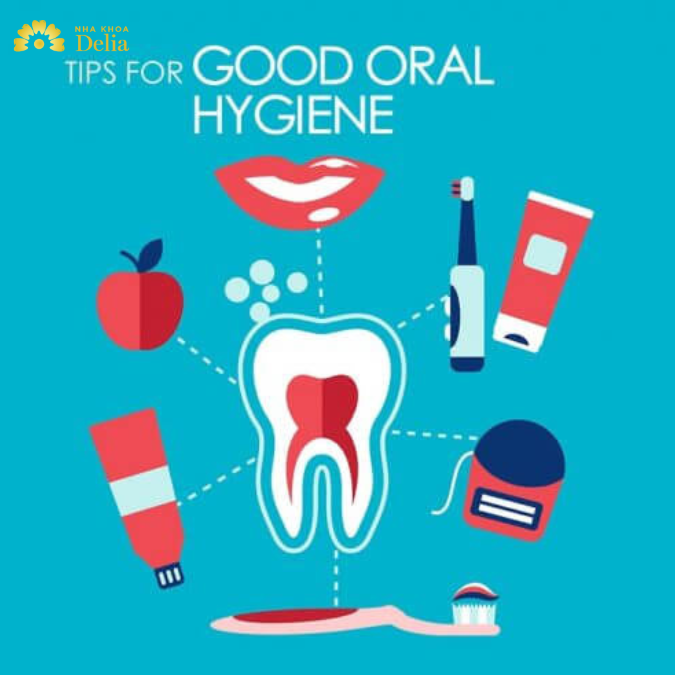
Oral Hygiene Practices
- Gentle Brushing: Brush your teeth and the temporary bridge gently with a soft-bristled toothbrush. Avoid aggressive brushing that could dislodge the bridge.
- Careful Flossing: Flossing around a temporary bridge requires extra care. Use a floss threader or special dental floss to carefully clean between your teeth. Avoid pulling the floss upwards, as this can dislodge the bridge. Instead, slide the floss out sideways.
- Rinsing: Rinse your mouth with an antibacterial mouthwash to help keep the area clean and reduce bacteria.
General Care and Precautions
- Monitor for Looseness: If your temporary bridge feels loose or comes off, contact your dentist immediately. Do not attempt to fix it yourself.
- Attend Follow-up Appointments: Regular dental check-ups are essential to monitor the condition of your temporary bridge and ensure proper healing.
- Sensitivity: It is normal to experience some sensitivity. Avoid very hot or cold foods and drinks.
- If the temporary comes off: If you cannot get to your dentist right away, some over the counter denture adhesive can be used to hold it in place, but you must still contact your dentist as soon as possible.

How long will a temporary dental bridge last?
It’s important to understand that temporary dental bridges are, by design, not meant for long-term use. Their purpose is to bridge the gap (literally) between tooth preparation and the placement of a permanent bridge. Here’s a general idea of their lifespan:
- Typical Duration: Temporary dental bridges typically last for a few weeks to a few months. This timeframe aligns with the period it takes for a dental lab to create the custom-made permanent bridge. In some cases, they might last for up to several months, but generally, they are not intended for extended use.
- Factors Affecting Duration: The materials used in temporary bridges (often acrylic or composite resin) are not as durable as those used in permanent bridges. Proper oral hygiene, including gentle brushing and flossing, can help extend the life of a temporary bridge. Avoiding hard or sticky foods is crucial, as these can easily damage or dislodge a temporary bridge. Habits like teeth grinding or clenching can also shorten the lifespan of a temporary bridge.
- Key Takeaway: Temporary bridges are a short-term solution. Their primary function is to protect the prepared teeth and maintain aesthetics and function until the permanent bridge is ready

Conclusion
Above is all the information about temporary dental bridges that Delia Dental has just provided for you, hopefully with the above information will help you identify what temporary dental bridges are like. If you have any questions, please contact Delia Dental via hotline: 0763 29 6666 for advice and support from experts!