When it comes to restoring your smile, quick dental implants are an efficient and effective solution for those who need a fast and reliable treatment. Unlike traditional implants, which can take several months to fully integrate, quick dental implants offer a much faster recovery time without compromising on quality or durability.
What are quick dental implants?
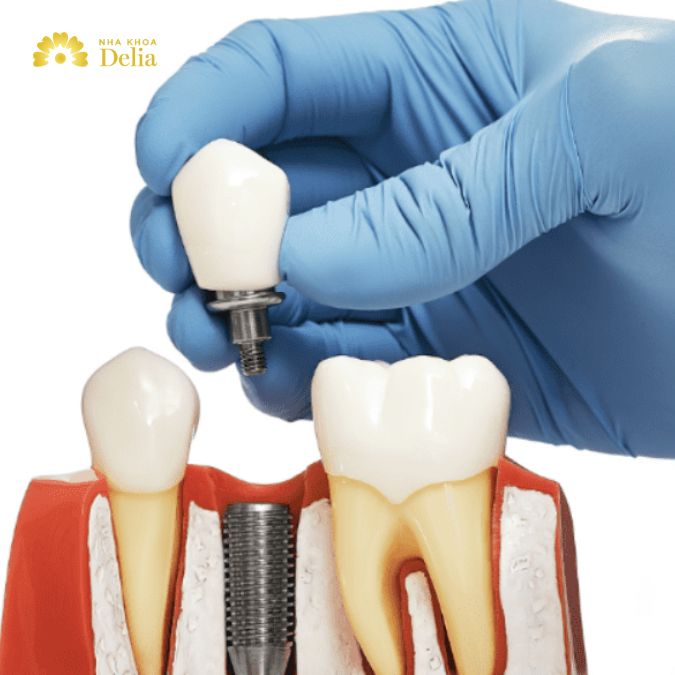
Quick dental implants are a type of dental implant designed to provide faster results compared to traditional implant procedures. They differ from conventional implants in that they often involve a more streamlined process, allowing patients to receive implants in a shorter amount of time.
What are quick dental implants?
Traditional dental implants can take several months for the complete procedure, including healing time between appointments. In contrast, quick dental implants can often be completed in a single visit, with immediate functionality and a faster recovery. This makes them an attractive option for individuals seeking a quicker solution for tooth replacement while still achieving durable and natural-looking results.
The procedure for quick dental implants begins with a thorough examination and assessment of the patient’s oral health. This includes evaluating the condition of the jawbone and the overall suitability for implants. Once the initial consultation is complete, the dentist prepares the site for the implant by cleaning and preparing the gum and bone.
During the procedure, the dentist places the implant into the jawbone, often using advanced techniques such as guided surgery or immediate loading. The implant is placed, and in some cases, a temporary crown is affixed immediately after the implant is secured, allowing the patient to function normally with the new tooth while healing takes place. Recovery time for quick dental implants is generally much shorter than traditional implants, with many patients able to resume normal activities within a few days.
Benefits of quick dental implants
- Faster recovery time
One of the most significant advantages of quick dental implants is the faster recovery time. Unlike traditional implants, which require a prolonged healing period between multiple appointments, quick dental implants allow for a more streamlined recovery process. Many patients experience less swelling and discomfort, and they can resume their normal activities within a few days.
This is especially beneficial for individuals with busy schedules or those who are looking to minimize the disruption caused by the procedure. With quick dental implants, the healing time is considerably shorter, and in some cases, immediate functionality is possible.
- Convenience and comfort

Benefits of quick dental implants
Quick dental implants offer exceptional convenience and comfort for patients who are seeking a more efficient solution. Traditional implant procedures often require multiple visits to the dentist, with several months of waiting between procedures for the implant to integrate with the bone.
With quick dental implants, the process is completed in a shorter time frame, often in a single appointment, reducing the number of dental visits. This not only saves time but also provides peace of mind, as patients don’t have to undergo prolonged periods of waiting or the discomfort associated with multiple visits.
- Long-term durability
Although quick dental implants are completed in a shorter time frame compared to traditional implants, they still offer long-term durability. The materials used for the implant posts and crowns are just as strong and durable as those used in conventional implants, ensuring that the implant will provide a long-lasting, stable solution for tooth loss.
With proper care, quick dental implants can last many years, providing patients with a permanent and reliable replacement for missing teeth. The durability of these implants makes them a strong, long-term investment, even though the procedure itself is quicker.
- Immediate functionality
In many cases, quick dental implants offer immediate functionality. Some types of implants, like immediate load implants, allow for the placement of a temporary or permanent crown on the same day as the surgery.
This means that patients can leave the dental office with a fully functional tooth, allowing them to eat, speak, and smile with confidence right away. Immediate functionality is especially beneficial for those who need a fast, reliable solution to restore their smile and bite function, without waiting for months for the implant to fully heal and integrate.
In summary, quick dental implants offer significant benefits, including faster recovery time, convenience, long-term durability, and immediate functionality, making them an excellent choice for patients seeking a more efficient and effective solution for missing teeth.
How quick dental implants work?
The process of getting quick dental implants typically involves the following key steps:
- Initial consultation
The journey begins with a comprehensive consultation where the dentist will assess your dental health, including the condition of your jawbone, gums, and surrounding teeth. X-rays or 3D scans may be taken to determine the best course of action. During this visit, the dentist will explain the procedure, answer your questions, and discuss the options available for your specific needs.
- Preparation
Once you’ve agreed on the treatment plan, the dentist will prepare your mouth for the implant. This may include cleaning the affected area, numbing the area with local anesthesia, and, if necessary, addressing any issues with the gum or jawbone. The dentist may also use a special guide to ensure the implant is placed in the most effective position.
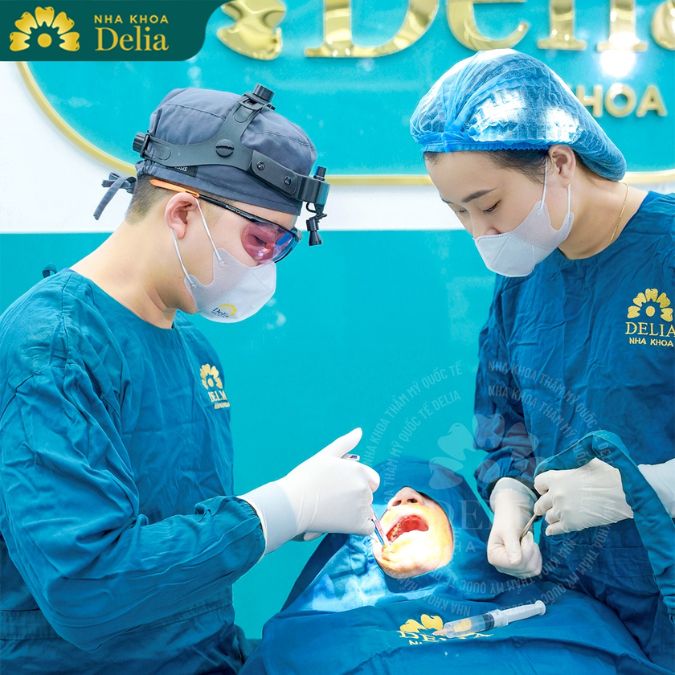
How quick dental implants work?
- Implant placement
The dentist will then place the dental implant directly into your jawbone. The procedure is minimally invasive and typically requires only a small incision in the gum. Depending on the type of quick dental implant (e.g., immediate load implants), the implant may be placed with a temporary crown, allowing for immediate functionality.
- Healing and integration
The implant will begin to integrate with the bone over the next few months. While some quick dental implants allow for immediate functionality, others may require a short waiting period before a permanent crown is placed. This phase ensures that the implant securely fuses with the bone.
- Final restoration
Once the implant has fully integrated with the jawbone, the final restoration (such as a crown, bridge, or denture) is attached. This step restores the function and appearance of the missing tooth, giving you a fully functional and aesthetically pleasing smile.
Risks and considerations
While quick dental implants offer numerous benefits, it’s important to be aware of the potential risks and side effects associated with the procedure. Some common risks include:
- Infection: As with any surgical procedure, there is a risk of infection at the implant site. Proper post-surgery care, such as following the dentist’s instructions on cleaning and avoiding certain foods, can help reduce this risk.
- Implant failure: Although rare, implant failure can occur if the implant does not properly fuse with the jawbone. This could be due to factors such as insufficient bone density, excessive stress on the implant, or poor healing.
- Nerve damage: In some cases, the implant may come into contact with nerves in the jaw, leading to numbness or tingling sensations in the gums, lips, or teeth. This is more likely to occur if the implant is placed too close to sensitive areas.
- Sinus problems: For patients who are getting implants in the upper jaw, there’s a possibility of the implant extending into the sinus cavity, which could cause sinus issues. This is usually preventable with proper planning and examination before the procedure.
- Discomfort or pain: Some discomfort, swelling, or bruising around the implant site can occur, especially immediately following the procedure. These effects typically subside within a few days.
Cost of quick dental implants
The cost of quick dental implants generally varies based on several factors, but it is often more affordable than traditional implants, especially when considering the shorter procedure time and fewer visits required.

Cost of quick dental implants
On average, the price for quick dental implants can range from $1,500 to $3,500 per implant, including the surgical procedure and the cost of a temporary crown if applicable. This price range is typically lower than that of traditional implants, which can cost anywhere from $3,000 to $6,000 or more per implant, depending on the complexity of the procedure and the materials used.
The key advantage of quick dental implants lies in the faster recovery time and fewer appointments, which can make them a more cost-effective solution for patients looking for a quicker tooth replacement option. However, it’s important to note that the overall cost of quick dental implants may still vary significantly depending on the location and individual clinic pricing.
Conclude
Quick dental implants provide a convenient and time-saving solution for patients looking to restore their smile without the extended waiting period associated with traditional implants. Whether you’re seeking a rapid treatment option due to time constraints or simply prefer a faster recovery, quick dental implants can offer lasting results and improve your quality of life.