One common concern among patients undergoing bone grafting is how long does a bone graft last without an implant. Bone grafting is often necessary when there is insufficient bone in the jaw to support dental implants, but many people wonder about the longevity of the graft if an implant isn’t placed immediately.

What is bone grafting and why is it done?
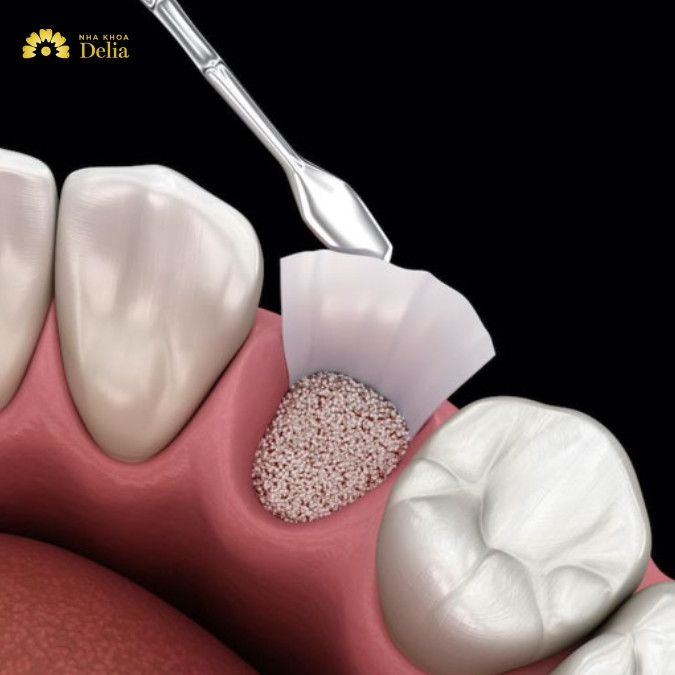
Bone grafting is a surgical procedure used to replace or restore lost bone in areas where it is insufficient to support dental implants. The process involves placing bone material, which can be sourced from the patient’s own body (autograft), a donor (allograft), an animal (xenograft), or synthetic materials (alloplast), into the area where bone loss has occurred.
The goal of bone grafting is to promote new bone growth, creating a stable and solid foundation for dental implants, ensuring they are secure and long-lasting once placed.
What is bone grafting and why is it done?
The bone grafting procedure is usually performed in stages, beginning with an initial consultation and assessment of the area to determine the most suitable type of graft. The bone material is then placed into the area, where it integrates with the surrounding bone over time. This process can take several months for complete healing and integration before the dental implant is placed.
In some cases, bone grafting is performed without immediately placing a dental implant. This is necessary when there is significant bone loss, and the area lacks sufficient bone density or volume to support an implant right away. The reasons for performing bone grafting without placing an implant immediately include:
- Healing and recovery time: In some cases, patients may need time to recover after bone grafting. The bone graft needs time to heal and integrate with the existing bone before an implant can be safely placed.
- Severe bone loss: When a patient has experienced extensive bone loss, it may not be possible to place an implant immediately. The bone grafting procedure is performed to restore enough bone for a successful implant procedure.
- Medical factors: Certain medical conditions, such as uncontrolled diabetes or immune disorders, may make it difficult for the body to heal properly after implant placement.
How long does a bone graft last without an implant?
The typical longevity of bone grafts without implants varies, but generally, a bone graft can last anywhere from several months to a few years without the placement of an implant. The bone graft is intended to create a stable foundation for the implant, but without the implant, the grafted bone may start to degrade or resorb over time.

How long does a bone graft last without an implant?
Factors affecting bone graft longevity:
- Type of bone graft: The type of bone graft used significantly influences how long the graft lasts. Autografts, which are taken from the patient’s own body, tend to integrate well and last the longest. Allografts (bone from a donor) and xenografts (bone from animals) may take longer to integrate and can be more prone to resorption, leading to a potentially shorter lifespan.
- Location of the graft: The location where the bone graft is placed in the jaw can also impact its longevity. Areas of the jaw that experience more stress, such as the back of the mouth, may lead to a faster breakdown of the graft material.
- Patient’s health: A patient’s overall health plays a crucial role in the longevity of a bone graft. Conditions like diabetes, smoking, or poor nutrition can delay the healing process and cause the graft to deteriorate more quickly.
- Bone resorption: Bone resorption is the process where the bone naturally breaks down and is reabsorbed by the body. Without an implant to stimulate the bone and provide structure, the graft can begin to resorb over time, reducing its effectiveness and potentially requiring additional bone grafts before an implant can be placed.
What happens if the bone graft is left without an implant for too long?
If a bone graft is left without an implant for an extended period, bone resorption can occur. Bone resorption is the process in which the body breaks down and absorbs the bone tissue that was grafted.
Without the pressure and stimulation provided by a dental implant, the grafted bone is more likely to deteriorate over time. This is particularly true if the bone is not integrated well with the surrounding natural bone. As the graft resorbs, the foundation needed to place the implant becomes weaker, making it difficult to place the implant at a later stage without additional procedures.
Without the implant in place to secure it, the stability of the bone graft diminishes. A stable graft is essential for the success of the implant, as it provides the necessary support for the implant to integrate properly with the jawbone.
What happens if the bone graft is left without an implant for too long?
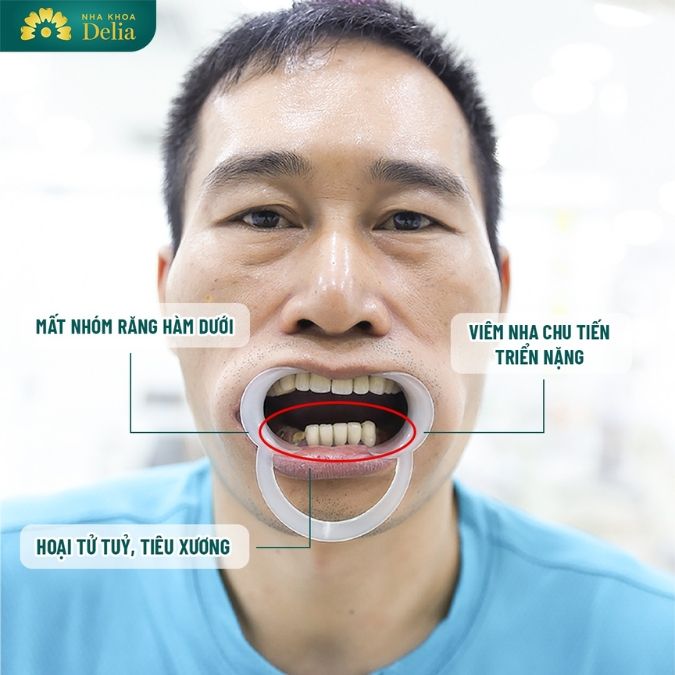
As time passes, the graft may become less stable, which can result in shifting, absorption, or further weakening of the bone structure. This instability increases the risk of failure when trying to place the implant at a later time, potentially requiring additional grafting or corrective procedures.
One of the most significant risks of leaving a bone graft without an implant for too long is the risk of further bone loss. Over time, without the support of a dental implant, the surrounding bone may also start to resorb, exacerbating the issue. As the bone around the graft continues to deteriorate, the overall volume and density of bone available for an implant decrease.
This can result in the need for additional bone grafting procedures to restore the bone to a suitable condition for implant placement. Therefore, the longer the delay between the bone graft and the implant placement, the higher the chances of requiring more extensive and expensive treatment.
How to maintain bone graft integrity while waiting for implant?
One of the most important steps in maintaining bone graft integrity while waiting for a dental implant is regular monitoring and check-ups with your dentist. Frequent visits allow your dentist to assess the healing process, check the stability of the graft, and detect any early signs of complications, such as infection or resorption.

How to maintain bone graft integrity while waiting for implant?
Maintaining a healthy lifestyle is crucial for promoting the healing and longevity of a bone graft. Proper nutrition plays a vital role in supporting bone health. A diet rich in calcium and vitamin D helps strengthen bones and aids in the healing process. Foods like dairy products, leafy green vegetables, and fatty fish can provide the essential nutrients your body needs for optimal bone health.
Certain lifestyle habits can negatively impact the health of your bone graft and should be avoided. Smoking, for example, is a major factor that impedes the healing process. It reduces blood circulation, which can slow down bone regeneration and increase the risk of complications such as infection or graft failure. Similarly, excessive alcohol consumption can interfere with bone healing and overall health.
Conclude
The answer to how long does a bone graft last without an implant depends on several factors, including the type of graft, the location of the graft, and the patient’s overall health. While bone grafts can last several months to years, they may begin to deteriorate if an implant is not placed within a reasonable time frame.