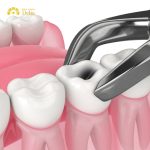
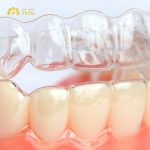
Experiencing dental implant pain years later can be concerning and frustrating, especially since implants are intended to provide a permanent, pain-free solution for missing teeth. Although dental implants boast a high success rate and are typically comfortable and durable, some patients may develop discomfort or pain long after the initial procedure.

Common causes of dental Implant pain years later
One of the most common causes of dental implant pain years later is peri-implantitis—an infection that develops around the implant site. This condition can occur several years after the initial implant procedure, leading to symptoms such as pain, swelling, redness, bleeding gums, and even bone loss around the implant. If left untreated, peri-implantitis can severely affect the implant’s stability and may ultimately cause implant failure.

Common causes of dental Implant pain years later
Another reason for experiencing dental implant pain years later is delayed implant failure or rejection. Although implants generally integrate successfully with the jawbone, there are instances when the implant fails to fully fuse or gradually loosens over time. This slow rejection can result in chronic discomfort, instability, and ongoing pain, eventually requiring removal or replacement of the implant.
Sometimes, patients experience persistent pain years after the dental implant procedure due to nerve damage or injury. Such nerve issues might have originated during implant placement or emerged as complications over time. Symptoms typically include chronic pain, numbness, tingling sensations, or sharp, shooting pains around the implant area, significantly affecting the patient’s comfort and quality of life.
For implants placed in the upper jaw, particularly near the sinus cavities, ongoing sinus problems can cause dental implant pain years later. When the implant protrudes slightly into the sinus cavity or causes chronic irritation, it can lead to persistent discomfort, sinus infections, pressure, or headaches, especially when inflammation occurs around the implant site.
Symptoms to identify dental implant pain years later
Recognizing the symptoms of dental implant pain years later is crucial for timely intervention and preventing further complications. Common signs include persistent dull or sharp pain around the implant area, often lasting for extended periods or becoming more intense over time.

Symptoms to identify dental implant pain years later
You may also notice inflammation of the gums, characterized by swelling, redness, tenderness, or bleeding near the implant site. Additionally, a loose or unstable implant can indicate underlying problems, potentially resulting from bone loss or inadequate integration. Lastly, persistent discomfort during eating, speaking, or daily activities is another important symptom, signaling that the implant might require professional evaluation and treatment.
Risk factors for experiencing dental Implant pain later
Several factors can increase your risk of experiencing dental implant pain years later. Poor oral hygiene is among the most significant factors, as it can lead to bacterial buildup around the implant site, causing infections such as peri-implantitis. Additionally, regular smoking restricts blood flow, significantly slowing the healing process and heightening the risk of pain and implant failure over time.
Chronic health conditions, including diabetes and osteoporosis, also affect bone density and immune response, making implants more vulnerable to complications and delayed discomfort. Finally, sustained trauma or excessive biting pressure on the implant can gradually weaken the surrounding bone and tissue, resulting in ongoing pain and potentially threatening the long-term stability of the implant.
How to diagnose dental Implant pain years later
Diagnosing dental implant pain years later requires a thorough evaluation by a dental professional. Initially, your dentist will perform a comprehensive oral examination to assess the condition of your implant, checking for visible signs of inflammation, swelling, or instability.

How to diagnose dental Implant pain years later
Advanced imaging techniques, such as dental X-rays or CT scans, may then be used to identify underlying issues, such as bone loss or damage to the tissues surrounding the implant. In some cases, additional laboratory tests may be recommended to detect possible infections, helping your dentist pinpoint the precise cause of the discomfort and determine the most effective treatment approach.
Prevention strategies to avoid dental Implant pain later
To minimize the risk of experiencing dental implant pain years later, adopting effective prevention strategies is essential. Maintaining excellent oral hygiene, including regular brushing, flossing, and using antimicrobial rinses, helps keep the implant area clean and prevents infection.
Additionally, regular dental check-ups enable early detection of potential problems, allowing for timely intervention before issues become severe. Avoiding harmful habits, such as smoking or chewing hard foods, protects the implant and reduces the chance of complications. Finally, properly managing underlying medical conditions—like diabetes or osteoporosis—is crucial, as these can significantly impact implant health and stability. By following these strategies, you greatly increase the longevity and comfort of your dental implants.
Conclude
Dental implant pain years later is not common but can occur due to various factors such as infection, implant failure, nerve damage, or issues with the surrounding gum and bone tissues. Early detection and timely intervention are key to effectively managing and resolving these problems.