While dental implants are generally a long-lasting solution for missing teeth, one concern that may arise years later is dental implant infection years later. Though dental implants are designed to provide a lifetime of function and aesthetics, infections can sometimes develop well after the initial procedure.
What causes dental implant infection years later?
One of the most common causes of dental implant infection years later is peri-implantitis, an infection that occurs around the implant. This condition is caused by the buildup of bacteria around the implant site, which can lead to inflammation and damage to the surrounding soft tissues and jawbone. Over time, untreated peri-implantitis can cause bone loss and instability of the implant, potentially leading to implant failure. Proper oral hygiene and regular check-ups are essential to prevent this condition.
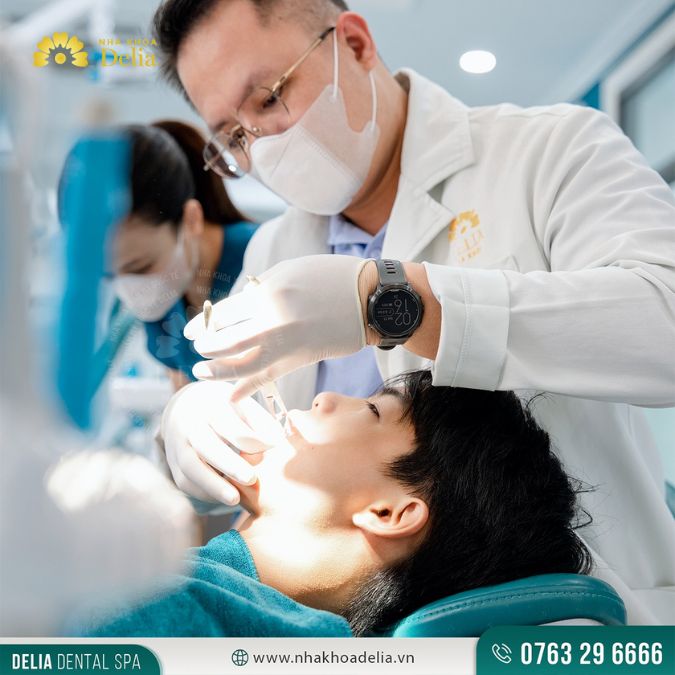
What causes dental implant infection years later?
Poor oral hygiene is another major factor contributing to dental implant infection years after placement. When patients fail to maintain a good brushing and flossing routine, plaque and bacteria can accumulate around the implant. This leads to the formation of biofilm on the implant’s surface, which can trigger infection and gum disease, eventually affecting the bone surrounding the implant. Consistently cleaning the implant and the surrounding area is crucial to prevent bacterial buildup and maintain implant health.
Mechanical factors, such as uneven bite pressure or excessive biting forces, can also contribute to implant infection years later. Over time, improper bite alignment or strong, persistent pressure on the implant can cause stress on the surrounding bone and soft tissue. This can weaken the implant’s integration with the jawbone and create spaces for bacteria to enter, leading to infection. It’s essential to address any bite issues early on to avoid excessive wear or damage to the implant.
Symptoms of dental implant infection years later
One of the first signs of dental implant infection years later is pain and swelling around the implant site. This discomfort can range from mild to severe and is often accompanied by tenderness in the gums or jawbone. Swelling in the surrounding tissues is a common indication of inflammation caused by infection.
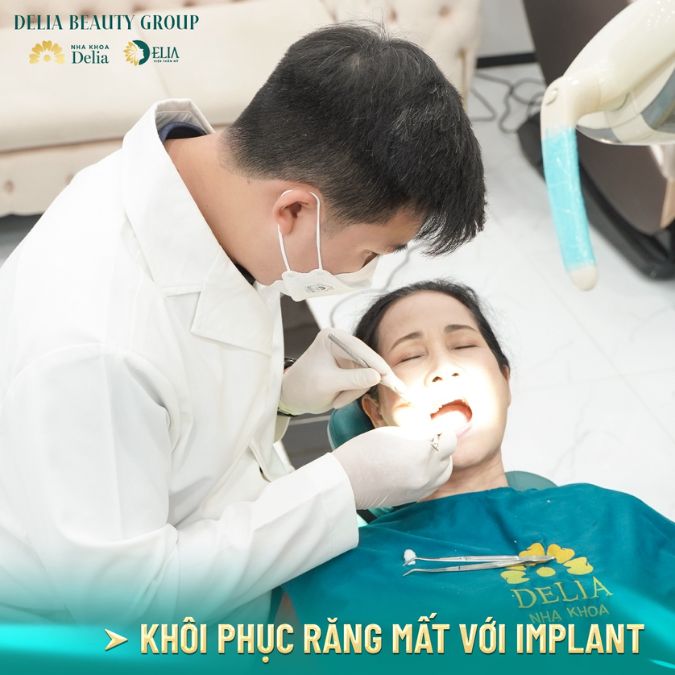
Symptoms of dental implant infection years later
If you notice bleeding gums around the implant area, it could be a sign of infection. This can happen while brushing, flossing, or even spontaneously. Bleeding, especially when persistent, is a red flag that requires immediate attention from your dentist to rule out infection or other complications.
A loose implant or one that feels unstable is another symptom that may indicate an infection. Over time, the infection can affect the bone and tissues surrounding the implant, leading to a lack of support and causing the implant to become loose. If you notice that the implant feels wobbly or shifts when touched, it’s essential to consult your dentist.
How to diagnose dental implant infection years later?
The first step in diagnosing dental implant infection years later is a comprehensive dental exam. During this exam, your dentist will assess the condition of the implant and surrounding tissues, looking for signs of infection such as inflammation, gum recession, or discomfort. This thorough examination helps identify any visible issues with the implant or the gums that might indicate infection or other complications.

How to diagnose dental implant infection years later?
To get a more detailed view of the implant and surrounding bone, your dentist may recommend X-rays or a CT scan. These imaging techniques help assess the condition of the bone and tissues around the implant, checking for any signs of bone loss, infection, or damage that may not be visible during a standard examination. X-rays and CT scans can also help determine if the implant has become loose or if there are any areas of concern that require intervention.
If an infection is suspected, your dentist may take a sample from the implant area for bacterial culture tests. These tests can identify the specific bacteria causing the infection, which allows for targeted treatment with the appropriate antibiotics. Detecting the type of bacteria involved ensures that the infection is treated effectively and minimizes the risk of antibiotic resistance or ineffective treatment.
Treatment options for dental implant infection years later
In the early stages of dental implant infection years later, non-surgical treatment is often the first option. This typically involves deep cleaning around the implant to remove plaque, bacteria, and other debris that may have accumulated. Your dentist may also prescribe antibiotics to help combat the infection and promote healing. Regular cleaning and the use of antimicrobial solutions can help restore the health of the implant site and prevent the infection from spreading further.

Treatment options for dental implant infection years later
If the infection is more advanced, surgical intervention may be necessary to effectively treat the issue. This procedure involves carefully cleaning the infected tissue, removing any damaged or diseased bone, and addressing the underlying cause of the infection. Surgical treatment may also involve accessing the implant to ensure it is not damaged and remains secure. In some cases, the surgery can help restore the area and make it suitable for future implant work if necessary.
In cases of severe infection or when the implant has failed, implant removal may be required. If the infection has caused significant damage to the surrounding bone or tissue, the implant may need to be taken out to prevent further complications. After removal, the area will be thoroughly cleaned, and depending on the condition of the bone, a new implant may be placed once the infection is fully resolved and the area has healed.
How to prevent dental implant infection years later
One of the most effective ways to prevent dental implant infection years later is by maintaining good oral hygiene. Brushing your teeth at least twice a day, flossing regularly, and using an antimicrobial mouthwash can help keep the area around the implant clean and free from plaque and bacteria. Proper oral care will reduce the risk of infection and ensure the long-term success of your dental implant.
Regular dental check-ups are essential for detecting any early signs of infection or implant complications. Your dentist will monitor the health of your implants, check for plaque or tartar buildup, and evaluate the condition of the surrounding gums and bone. Early detection allows for prompt intervention, which can help prevent more serious issues down the road.
Smoking is a major risk factor for implant failure and infection. It significantly reduces blood flow to the gums and delays the healing process, making it harder for the body to fight off infections. Quitting smoking can help improve your oral health, reduce the risk of infection, and enhance the healing of implants. By avoiding smoking, you also improve the long-term success of your dental implants.
Conclude
Dental implant infection years later is a serious concern that requires timely intervention to prevent complications such as bone loss or implant failure. By understanding the causes, symptoms, and treatment options available, you can take proactive steps to maintain the health and longevity of your dental implants.