When considering dental implants, one of the most important factors for success is the health and strength of your jawbone. In cases where the bone is insufficient to support an implant, dental bone grafts for implants become a crucial solution. 
What are dental bone grafts for Implants?
Dental bone grafts for implants are procedures used to restore and regenerate bone tissue in areas of the jaw where there is insufficient bone to support dental implants. When a patient has experienced bone loss due to injury, disease, or prolonged tooth loss, the jawbone can become too thin or weak to hold an implant securely.
In such cases, a bone graft is performed to add volume and density to the bone, enabling the implant to be securely placed. This procedure helps ensure the success of dental implants by creating a stable foundation for the implant post to integrate with the bone.

What are dental bone grafts for Implants?
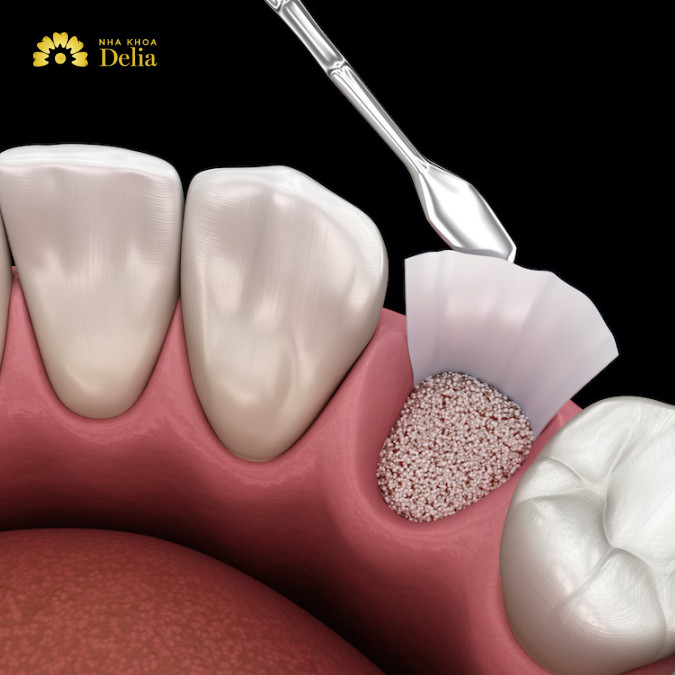
The process of dental bone grafts for implants works by using either natural or synthetic bone material to stimulate new bone growth in the jaw. The graft material is placed in the area where the bone is deficient, and over time, the body integrates the graft material into the surrounding bone.
This new bone formation supports the implant, creating a stable base for it to anchor. In some cases, the graft may also stimulate the growth of the patient’s own bone cells, promoting natural healing and strengthening of the jawbone.
Why are dental bone grafts for implants necessary?
Dental implants rely on a stable and healthy jawbone for successful placement. Insufficient bone density occurs when the jawbone has not fully developed or has deteriorated over time, often making it impossible to securely anchor an implant. Adequate bone density is critical for the implant post to integrate with the bone, a process known as osseointegration.
Why are dental bone grafts for implants necessary?
Without enough bone volume and density, the implant cannot be properly placed, leading to failure or complications in the healing process. This is where dental bone grafts for implants become necessary – they help rebuild and regenerate the bone, providing a stable foundation for the implant and ensuring long-term success.
There are several factors that contribute to bone loss in the jaw, which can lead to the need for dental bone grafts for implants. The most common causes include:
- Tooth loss: When a tooth is lost or extracted, the bone in the area may begin to resorb (shrink) because it is no longer stimulated by the presence of the tooth root. Over time, this leads to a decrease in bone volume and density.
- Periodontal disease (Gum Disease): Severe gum disease can cause inflammation and infection, which can lead to bone loss around the teeth. As the infection progresses, it destroys the bone that supports the teeth, making it difficult to place implants in the affected areas.
- Trauma or injury: Accidents or injuries that result in fractures or damage to the jawbone can lead to bone loss. In such cases, bone grafting may be necessary to restore the missing bone structure and allow for the proper placement of dental implants.
- Health conditions: Certain medical conditions, such as osteoporosis or certain types of cancer treatments, can result in weakened bone structure, increasing the risk of bone loss in the jaw. Conditions that affect the body’s ability to regenerate bone tissue can also make bone grafting necessary for implant procedures.
Benefits of dental bone grafts for implants
- Improved implant stability
One of the primary benefits of dental bone grafts for implants is the improved implant stability they provide. When the jawbone is not strong or dense enough to support a dental implant, the graft material creates a solid foundation for the implant post. This enhanced stability allows the implant to integrate with the bone more effectively, ensuring it remains secure for the long term. Without a stable foundation, dental implants can fail, but bone grafts make it possible for implants to be placed with a much higher success rate, providing long-lasting results.
- Restoration of jawbone function
In addition to strengthening the bone for implants, bone grafts also play a significant role in the restoration of jawbone function. Bone loss, especially following tooth loss, can alter the structure of the jaw and affect its ability to function properly. By restoring lost bone, dental bone grafts for implants help restore the normal function of the jaw, allowing for better bite alignment and improved chewing ability.

Benefits of dental bone grafts for implants
This restoration of function improves both comfort and oral health, making it easier for patients to speak, eat, and maintain their overall well-being.
- Prevention of further bone loss
Another critical advantage of dental bone grafts for implants is the prevention of further bone loss. When a tooth is lost and the jawbone isn’t stimulated by the presence of a tooth root, the bone naturally starts to shrink. This process, known as bone resorption, can continue over time, leading to further loss of bone density. By placing a bone graft, this resorption is slowed or even stopped, preventing additional bone loss. This is particularly important in maintaining the structure of the jaw, which not only supports implants but also affects the overall appearance and function of the mouth.
- Aesthetic improvement
Dental bone grafts for implants also provide significant aesthetic improvement, especially in cases where bone loss has altered the shape of the jaw or facial contours. When the jawbone is restored, it can help improve the appearance of the face, particularly around the chin and cheeks.
For patients who have experienced significant bone loss, bone grafts can help bring the facial structure back to normal, resulting in a more youthful and natural appearance. This is particularly valuable for individuals looking to restore both their smile and the overall aesthetics of their face, as bone grafts can prevent the sunken look often associated with bone loss.
In summary, dental bone grafts for implants offer a wide range of benefits, including improved implant stability, the restoration of jawbone function, prevention of further bone loss, and aesthetic improvement. These benefits make bone grafting an essential procedure for many individuals seeking dental implants, helping to restore both the function and appearance of their smile.
Conclude
Dental bone grafts for implants are an essential procedure for individuals who have experienced bone loss or who do not have enough bone to support dental implants. This technique can significantly improve the chances of successful implant placement, ensuring that your new teeth are stable and functional for years to come.