In the world of modern dentistry, a variety of restorative treatments are available to improve the function and appearance of teeth. One of the most common and effective options is the dental bridge. A dental bridge is a prosthetic device designed to replace one or more missing teeth, helping to restore the patient’s smile and bite.

What is a dental bridge?
A dental bridge is a fixed dental restoration that fills the gap left by one or more missing teeth. It consists of two or more crowns that are placed on the teeth adjacent to the gap (called abutment teeth), with a false tooth (or teeth) in between to fill the space. This false tooth is known as a pontic, and it is typically made from materials like porcelain, ceramic, or a combination of both, making it both durable and aesthetically pleasing.

Types of dental bridges
When it comes to replacing missing teeth, dental bridges are a common and effective solution. Here’s a breakdown of the main types:
Traditional Dental Bridges
This is the most common type. It involves creating crowns for the teeth on either side of the gap (abutment teeth), with a pontic (artificial tooth) in between. These are very sturdy and are often used for back teeth.

Cantilever Dental Bridges
Similar to traditional bridges, but the pontic is supported by a crown on only one abutment tooth. This type is used when there are adjacent teeth on only one side of the missing tooth. They are not as strong as traditional bridges.

Maryland Dental Bridges (Resin-Bonded Bridges)
Instead of crowns, this type uses a metal or porcelain framework that is bonded to the back of the adjacent teeth.It’s a more conservative option, as it requires less alteration of the abutment teeth. Often used for replacing front teeth.

Implant-Supported Bridges
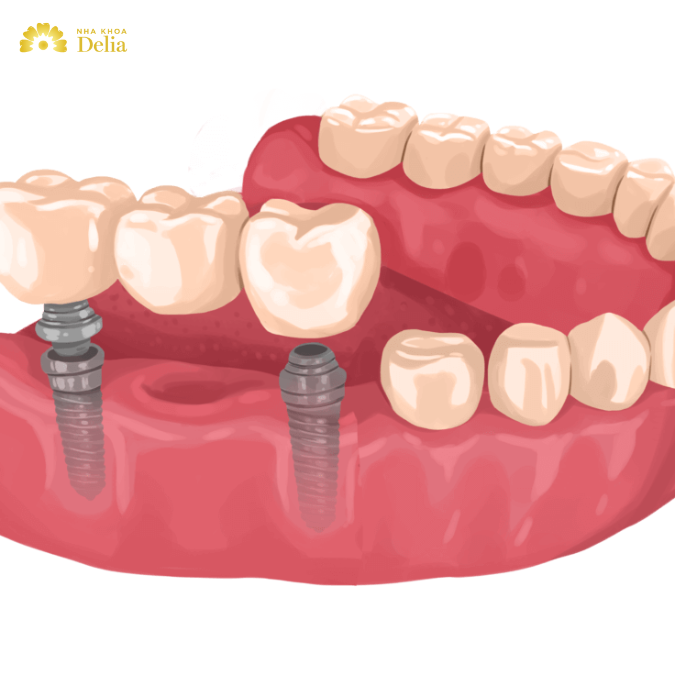
These bridges are supported by dental implants that are surgically placed in the jawbone. They are a very stable and long-lasting option. This type of bridge is used when more than one tooth is missing, or when added stability is needed. This procedure requires multiple steps, and time for the implants to fuse to the bone.
Benefits of dental Bridges
Dental bridges offer several significant benefits for those with missing teeth, contributing to both oral health and overall well-being. Here’s a breakdown of the key advantages:
- Restoration of Smile and Aesthetics: Dental bridges fill in the gaps created by missing teeth, restoring a natural-looking smile. This can significantly boost self-confidence.
- Improved Chewing Function: Missing teeth can make it difficult to chew food properly. Dental bridges restore the ability to chew effectively, allowing for a more balanced diet.
- Enhanced Speech: Gaps in teeth can affect speech patterns, causing difficulties with pronunciation. Dental bridges help to restore proper speech by filling these gaps.
- Prevention of Teeth Shifting: When a tooth is missing, the surrounding teeth can shift into the empty space, leading to misalignment and 1 other dental problem. Dental bridges prevent this shifting, maintaining proper tooth alignment.
- Distribution of Bite Force: Dental bridges help to properly distribute the forces of your bite. This prevents undue stress on the remaining teeth, which could lead to further dental issues.
- Relatively Cost-Effective: Compared to some other tooth replacement options, such as dental implants, dental bridges can be a more affordable solution.
- Relatively Quick Procedure: The process of getting a dental bridge can typically be completed in a few dental appointments, making it a relatively quick solution.

The dental bridge procedure
The process of getting a dental bridge typically takes two to three visits to the dentist. Here’s a breakdown of what to expect during the procedure:
- Initial Consultation: The dentist will examine your teeth and gums to determine if a dental bridge is the right solution for you. X-rays and impressions of your mouth may be taken to plan the procedure.
- Preparation of Abutment Teeth: During the first visit, the dentist will prepare the abutment teeth by removing a small amount of enamel to accommodate the crowns. Impressions of your teeth will then be taken, and a temporary bridge may be placed while your permanent bridge is being fabricated.
- Fitting the Permanent Bridge: Once the permanent bridge is ready, you will return to the dentist for a fitting. The dentist will check the bridge for proper fit, shape, and color before permanently cementing it in place.
- Follow-up: After the bridge is placed, follow-up appointments may be scheduled to ensure the bridge is functioning well and that no adjustments are needed.

Caring for your dental bridge
Proper care is essential to ensure the longevity of your dental bridge. Here are some tips for maintaining your bridge:
- Good Oral Hygiene: Brush your teeth at least twice a day and floss daily, making sure to clean around the bridge. Special flossing tools, such as a floss threader, can help clean underneath the bridge.
- Avoid Hard Foods: Chewing hard or sticky foods can damage the bridge, so be cautious about what you eat.
- Regular Dental Check-ups: Visit your dentist regularly to monitor the condition of your bridge and ensure your oral health is in good shape.

Conclusion
Above is all the information about dental bridges that Delia wants to send to you, hopefully with the above information will help you recognize dental bridges. If you have any questions, please contact Delia Dental Clinic via hotline: 0763 29 6666 for advice from experts.