When it comes to restoring a missing tooth or several teeth, dental bridges offer an effective and long-lasting solution. A dental bridge is designed to “bridge” the gap between two healthy teeth, filling in the space left by a missing tooth. The procedure is common, and many patients experience impressive results. Let’s go through the article about dental bridges before and after with Delia Dental!
What Is a Dental bridge?
A dental bridge is a prosthetic device that is used to replace one or more missing teeth. It typically consists of two crowns placed on the teeth adjacent to the gap, and a false tooth (or teeth) in between. The crowns help anchor the bridge securely in place, restoring both function and appearance.
There are several types of dental bridges, including:
- Traditional bridges: These are the most common and involve placing crowns on the teeth next to the gap.
- Cantilever bridges: Used when there is only one tooth adjacent to the gap.
- Maryland bridges: These are supported by a metal or porcelain framework bonded to the backs of the adjacent teeth.
- Implant-supported bridges: These are supported by dental implants instead of natural teeth.

Bridge Dental Before the procedure
Before getting a dental bridge, you will need to schedule a consultation with your dentist. During this appointment, your dentist will examine your teeth and assess the health of your gums and remaining teeth. This will help determine whether a dental bridge is the right solution for you.
Your dentist will discuss your medical history and take X-rays to assess the condition of your teeth and bone structure. The dentist will then create a treatment plan, which may involve preparing the adjacent teeth for crowns. In some cases, a root canal might be required if the tooth pulp is damaged. Impressions of your teeth will be taken to create a custom bridge that fits perfectly in the gap. While the permanent bridge is being made, you may be fitted with a temporary bridge to protect the exposed area.
The Bridge Dental Procedure
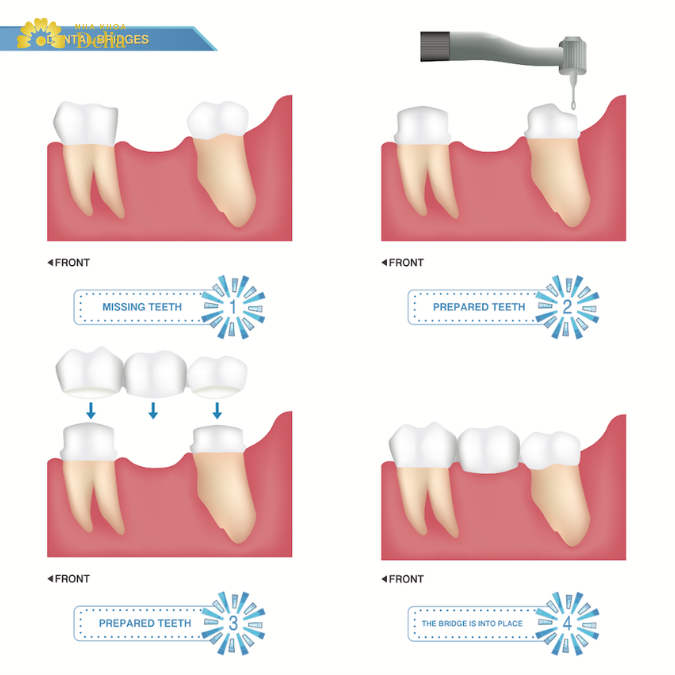
The dental bridge procedure typically takes two visits. The first visit involves preparing the adjacent teeth and taking impressions. During the second visit, the permanent bridge is placed.
Your dentist will prepare the teeth next to the gap by removing a small amount of enamel to make room for the crowns. This ensures a proper fit for the bridge. Once your teeth are prepared, a temporary bridge will be placed to protect the exposed area while the permanent bridge is being made in the lab. During the second visit, your dentist will remove the temporary bridge and place the permanent one. Adjustments will be made to ensure that the bridge fits comfortably and functions properly
Bridge Dental After the Procedure
Once your dental bridge is placed, the results are often immediately noticeable. The gap is filled, and your smile is restored. However, there are a few things you should know about the “after” phase of the dental bridge process.
It is normal to experience some discomfort after the procedure. Your teeth and gums may be sensitive, but this should subside after a few days. If you experience severe pain or discomfort, contact your dentist.
It may take a little time to get used to your new bridge. Eating and speaking may feel different at first, but with time, it should feel natural.
Good oral hygiene is essential after getting a dental bridge. Regular brushing and flossing are necessary to prevent plaque buildup around the bridge and adjacent teeth. Use a floss threader or special bridge floss to clean under the bridge. Avoid sticky or hard foods that can damage the bridge or cause it to loosen.
You may need to visit your dentist for follow-up appointments to ensure the bridge is functioning properly. These visits allow your dentist to make any necessary adjustments

Bridge Dental Before and After Results
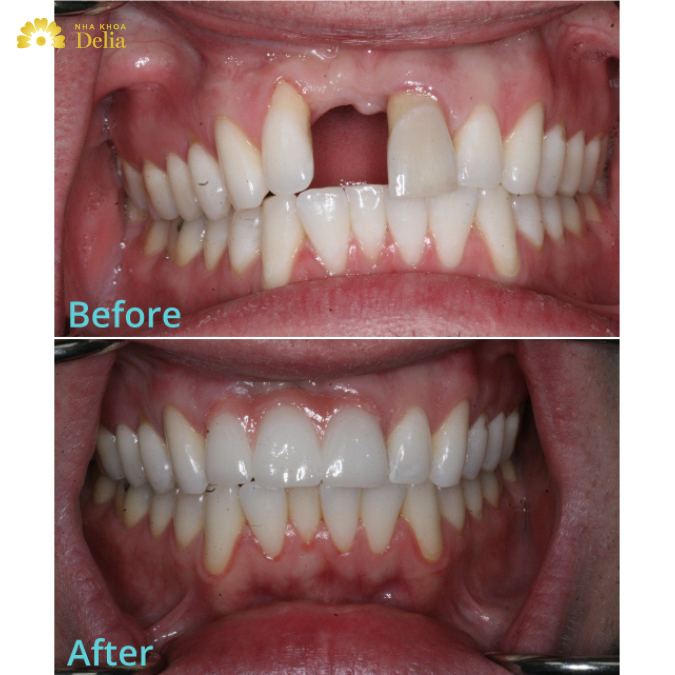
The before-and-after transformation with a dental bridge can be dramatic, both aesthetically and functionally. Here’s what you can expect:
Before: Missing teeth lead to gaps in your smile, which can cause embarrassment and self-consciousness. Difficulty chewing food properly, as missing teeth can affect your bite. Teeth may shift to fill the gap, leading to misalignment.
After: A restored, natural-looking smile that fills the gap caused by missing teeth. Improved functionality, allowing you to chew and speak normally again. Preservation of the alignment of remaining teeth, preventing shifting and bite problems.

Benefits of Dental Bridges
Dental bridges offer numerous advantages, making them an excellent choice for tooth replacement:
- Improved Appearance: Bridges restore the natural look of your smile and can even improve your facial appearance by preventing sagging cheeks.
- Better Functionality: A dental bridge restores the ability to chew food properly, which can improve your overall quality of life.
- Durability: With proper care, dental bridges can last many years, often between 5-15 years, making them a long-lasting solution for tooth replacement.
- Affordable: Compared to dental implants, bridges are typically a more affordable option for replacing missing teeth.

Conclusion
Above is all the information about the front and back dental bridges that Delia Dental Clinic provides for you. Hopefully, with the above information, you will be able to recognize the dental bridge when doing it. If you have any questions, please contact Delia Dental Clinic via hotline: 0763 29 6666 for expert advice and help.