When it comes to dental implants, zirconia implants have become a popular choice for many patients seeking a natural-looking, durable, and biocompatible solution. Known for their superior aesthetic qualities and resistance to corrosion, zirconia implants are an excellent alternative to traditional titanium implants, especially for those looking for a metal-free option.

What are Zirconia implants?
Zirconia implants are a type of dental implant made from zirconium dioxide, a strong, biocompatible ceramic material. These implants are designed to replace missing teeth and offer a metal-free alternative to traditional titanium implants.
Zirconia is known for its natural-looking appearance, making it an ideal choice for patients seeking aesthetically pleasing results, especially for front teeth. The use of zirconia implants is becoming increasingly popular due to their durability, biocompatibility, and superior cosmetic benefits.

What are Zirconia implants?
Zirconia is a high-performance ceramic material that is highly resistant to fractures and wear. Its exceptional strength and durability make it an ideal choice for dental implants, as it can withstand the daily forces of chewing and biting.
Additionally, zirconia implants are biocompatible, meaning they are well accepted by the body, minimizing the risk of irritation or allergic reactions. Unlike metal implants, zirconia also has the advantage of being a non-metal material, which makes it suitable for patients with metal allergies or sensitivities. Moreover, its color and translucency closely resemble natural tooth enamel, providing a more aesthetic solution for dental restoration.
Who is a good candidate for Zirconia implants?
- Individuals with good overall health and sufficient jawbone density.
- Patients seeking a durable, aesthetically pleasing implant solution.
- Individuals with metal allergies or sensitivities.
- Patients preferring a completely metal-free alternative.
- Adults with fully developed jawbones.
- Older patients can benefit if they have adequate bone density and general health.
Benefits of Zirconia implants
- Aesthetic appeal
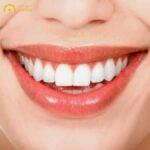
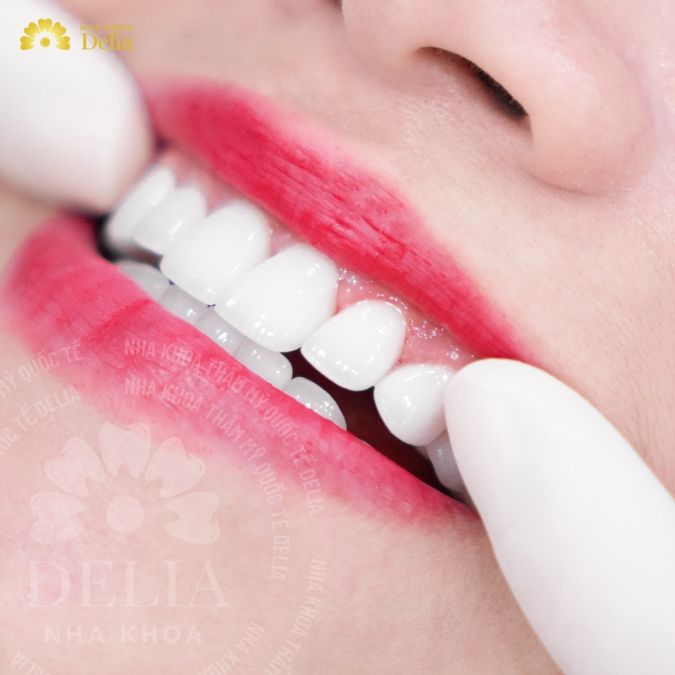
Zirconia implants are known for their superior aesthetic appeal. The material closely resembles the natural color of teeth, making it an excellent choice for visible areas, especially the front teeth. Unlike traditional metal implants, zirconia’s natural white color blends seamlessly with the surrounding teeth, offering a more natural, lifelike appearance.
- Biocompatibility
One of the standout benefits of zirconia implants is their high biocompatibility. Zirconia is highly accepted by the body, reducing the risk of irritation, allergic reactions, or implant rejection.
Benefits of Zirconia implants
This makes it a safer option for patients with sensitivities to metals or those who want to avoid potential complications related to metal implants. The excellent biocompatibility also helps minimize the risk of infection and inflammation around the implant site.
- Durability and strength
Zirconia implants are incredibly durable and strong, able to withstand the everyday wear and tear of chewing. The material is resistant to fractures and cracking, providing long-lasting stability and support. Additionally, zirconia’s ability to resist corrosion makes it a reliable option for dental implants that can stand the test of time, ensuring the implant remains functional and aesthetic for years to come.
- Metal-free option
Choosing zirconia implants offers the benefit of a metal-free option for dental restoration. This is particularly appealing for patients who are allergic to metals or have concerns about the use of metal materials in their body. Zirconia implants provide a safe, non-metal alternative while still delivering the strength, stability, and aesthetic qualities required for a successful dental implant procedure.
The Zirconia implant procedure
- Initial consultation and assessment
The process of getting zirconia implants begins with an initial consultation where the dentist assesses the overall health of your mouth, gums, and jawbone. During this visit, the dentist will take X-rays or 3D scans to evaluate the condition of the jawbone and determine if it’s sufficient to support the zirconia implant. If bone loss is present, additional procedures like bone grafting may be necessary. Based on this assessment, the dentist will discuss whether zirconia implants are the right choice for you.
- Surgical placement
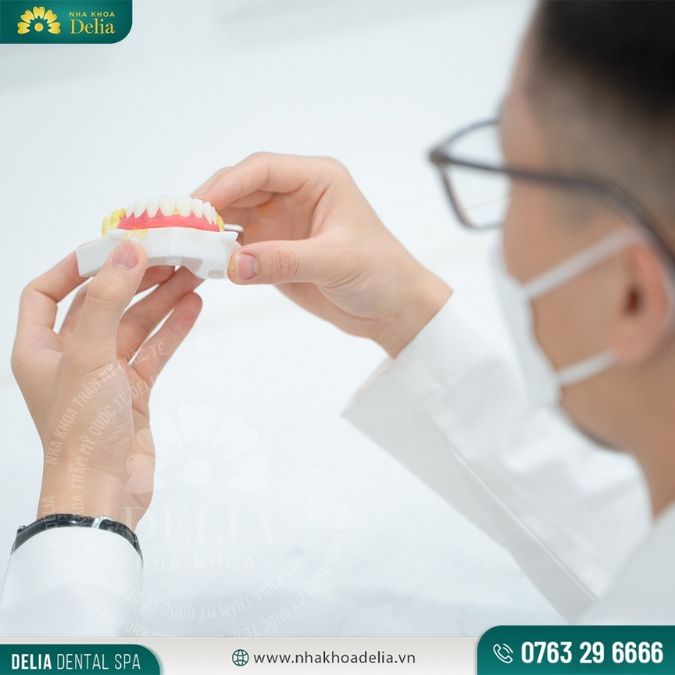
Once the initial consultation is complete, the next step is the surgical placement of the zirconia implant. During this procedure, the dentist will make a small incision in the gum to access the jawbone. The zirconia implant is then carefully inserted into the bone, providing a stable foundation for the future restoration.
The Zirconia implant procedure
This procedure is usually performed under local anesthesia to ensure that the patient is comfortable throughout. After the implant is placed, the gum is stitched back, and the healing process begins.
- Osseointegration
Following the placement of the zirconia implant, the osseointegration process begins. This is when the bone fuses with the implant, creating a strong bond that ensures the implant’s stability. Osseointegration typically takes several months, allowing the implant to fully integrate with the bone. The length of time for this process can vary depending on factors like the quality of the bone and the patient’s overall health. Once this process is complete, the implant is secure and ready for the final restoration.
- Final restoration
After the osseointegration process is complete and the implant is stable, the final step is the restoration phase. During this step, a custom-made crown or bridge is placed on top of the zirconia implant. This restoration is designed to match the color, shape, and size of your natural teeth, providing both functional and aesthetic benefits. Once the restoration is securely attached, your zirconia implant is complete, and you can enjoy a natural-looking and fully functional smile.
Costs of Zirconia Implants
The cost of zirconia implants can vary significantly based on several key factors. These include the location of the dental clinic, with prices generally higher in larger cities or specialized dental centers. The complexity of your dental case also impacts the total cost; for instance, additional procedures such as bone grafting or sinus lifts may increase the overall expense.
Additionally, the type and quality of zirconia material used affect pricing. On average, the current market price for a zirconia crown ranges from approximately 5,000,000 VND to 5,500,000 VND (around $215 to $236 USD) per tooth. This cost is slightly higher compared to other materials due to zirconia’s exceptional aesthetic qualities, durability, and superior.
Where to get high-quality, trusted Zirconia implants?
If you’re looking for a reliable and high-quality provider for zirconia implants, Delia dental Clinic is a trusted choice. With a commitment to excellence, Delia dental clinic offers the latest in dental implant technology, including zirconia implants. Their team of skilled professionals ensures that each procedure is performed with precision, delivering long-lasting, natural-looking results.

Where to get high-quality, trusted Zirconia implants?
Located in Viet Nam, Delia dental clinic provides state-of-the-art facilities and uses only the best materials, including zirconia implants from leading global manufacturers. Whether you’re replacing a single tooth or multiple teeth, zirconia implants at Delia dental clinic are placed using advanced techniques, ensuring optimal outcomes for both function and aesthetics.
Trust Delia dental Clinic for your zirconia implants and enjoy a beautiful, confident smile with the best in the field.
Conclude
In conclusion, zirconia implants offer a reliable and aesthetically pleasing solution for patients seeking to restore their smile with the latest advancements in dental technology. With their strong durability, natural appearance, and biocompatibility, zirconia implants are becoming an increasingly popular choice for those looking for a metal-free alternative.